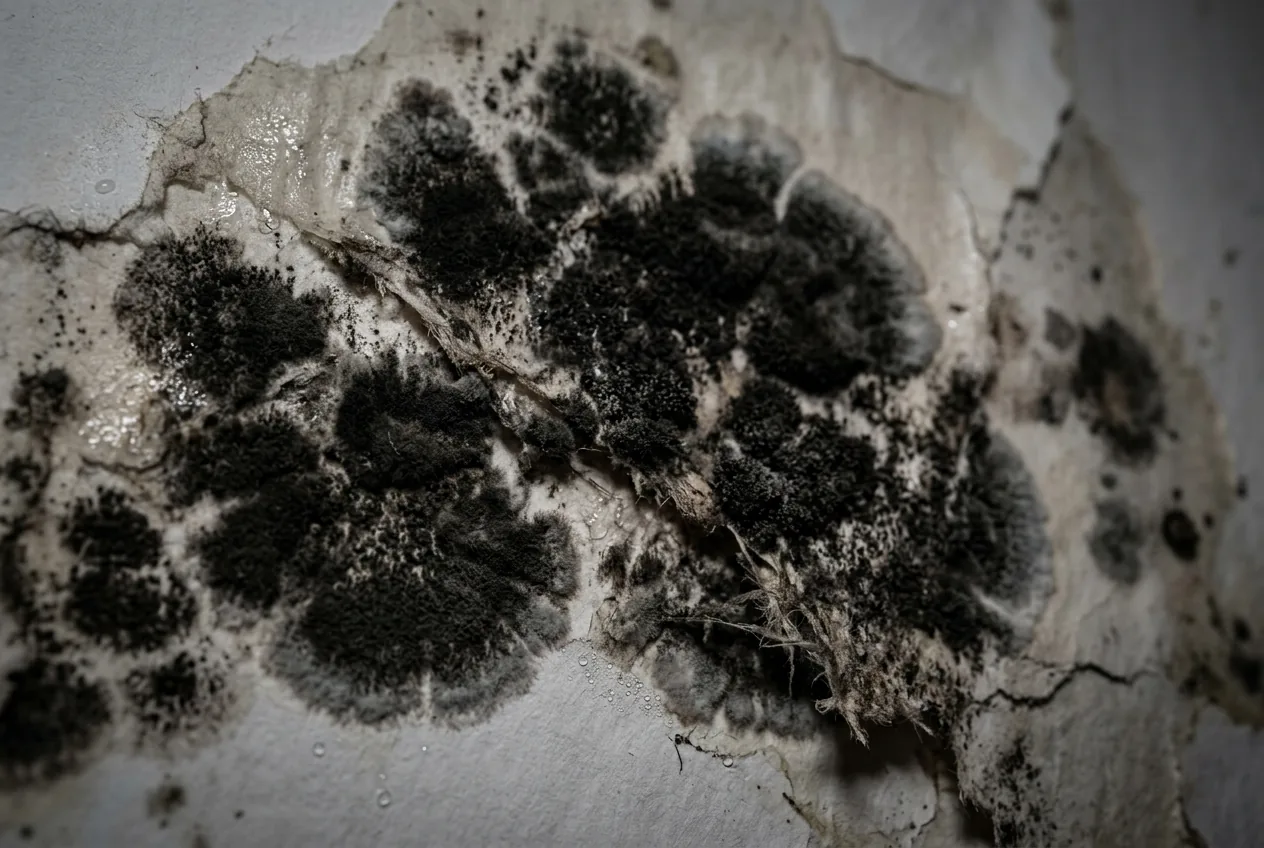
Homeowner & Clinician Mold & Spore Guide
A generic “mold count” means very little without knowing the exact species in your air. Using hospital-grade ASTM D7391-20 optical microscopy, our Texas City laboratory identifies 22 common indoor and outdoor molds, where they grow in your home, and what they mean for your family’s health. Curated by Dr. Charles Lehnhoff, PhD, MLS(ASCP)CM #25407471.
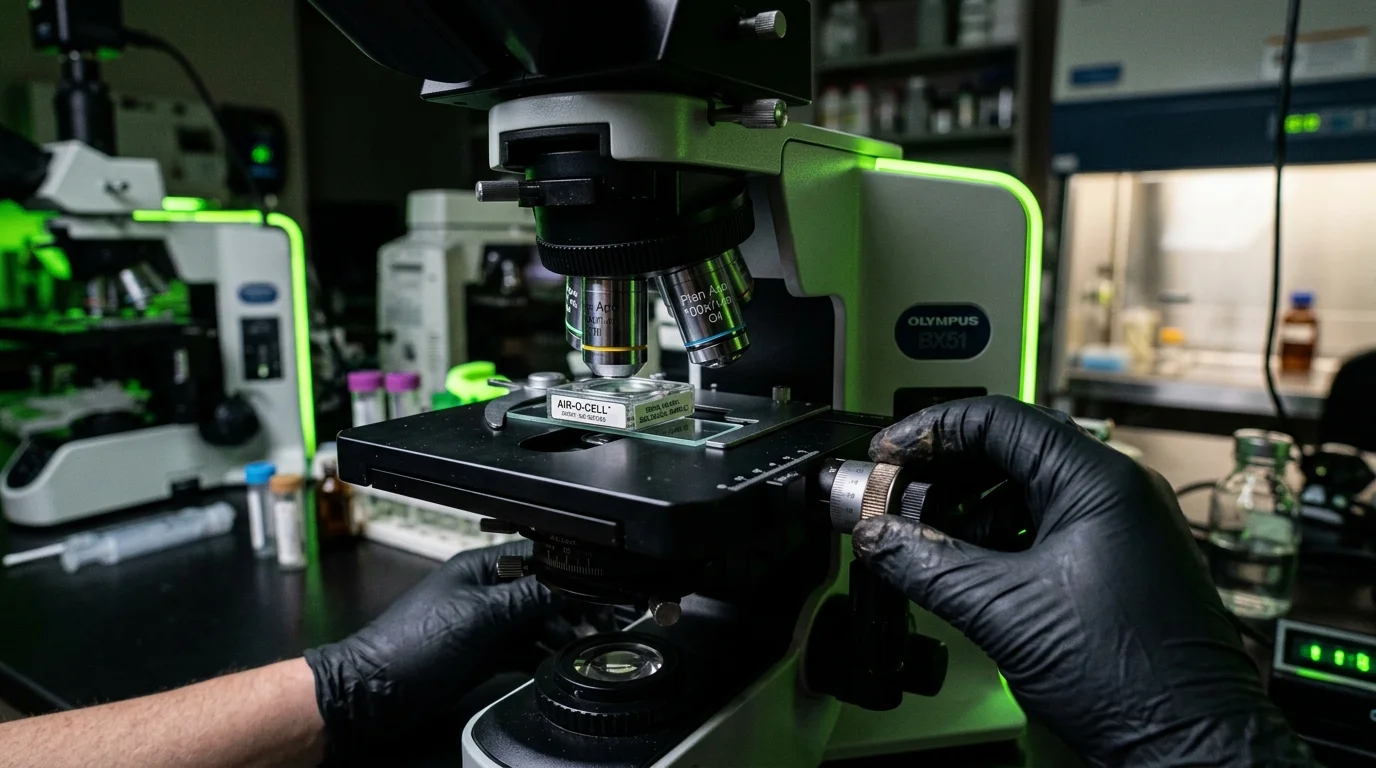
ASTM D7391 Air-O-Cell & Allergenco-D Optical Analysis • Olympus BX51 Optics
WHY DIRECT OPTICAL MICROSCOPY GOVERNS LEGAL PROOF
Consumer "DIY mold test kits" purchased at big-box hardware stores rely on gravity settle plates (agar petri dishes). These settle kits are widely rejected in courtrooms, insurance arbitrations, and clinical pathology for three fatal scientific reasons:
- [1] VIABILITY BIAS: Settle plates only grow fast-growing viable spores that tolerate standard agar media. Lethal tertiary species like Stachybotrys chartarum are routinely outgrown and masked by benign environmental molds.
- [2] AERODYNAMIC IMPOSSIBILITY: Heavy spores settle rapidly, while small respirable 2–5µm spores (e.g. Aspergillus/Penicillium) remain suspended indefinitely, skewing colonies by up to 10,000%.
- [3] NON-VIABLE TOXICITY: Dead or dormant spores contain equal concentrations of satratoxins, trichothecenes, and 1,3-beta-D-glucans as living spores. Settle plates report dead spores as "zero," creating false negative safety illusions.
ASTM D7391 calibrated inertial impaction samples (Air-O-Cell, Allergenco-D) trap both viable and non-viable structures onto a high-tack optical substrate at 15.0 L/min, providing exact volumetric counts (count/m³) verified under 400X–1000X compound optical optics.
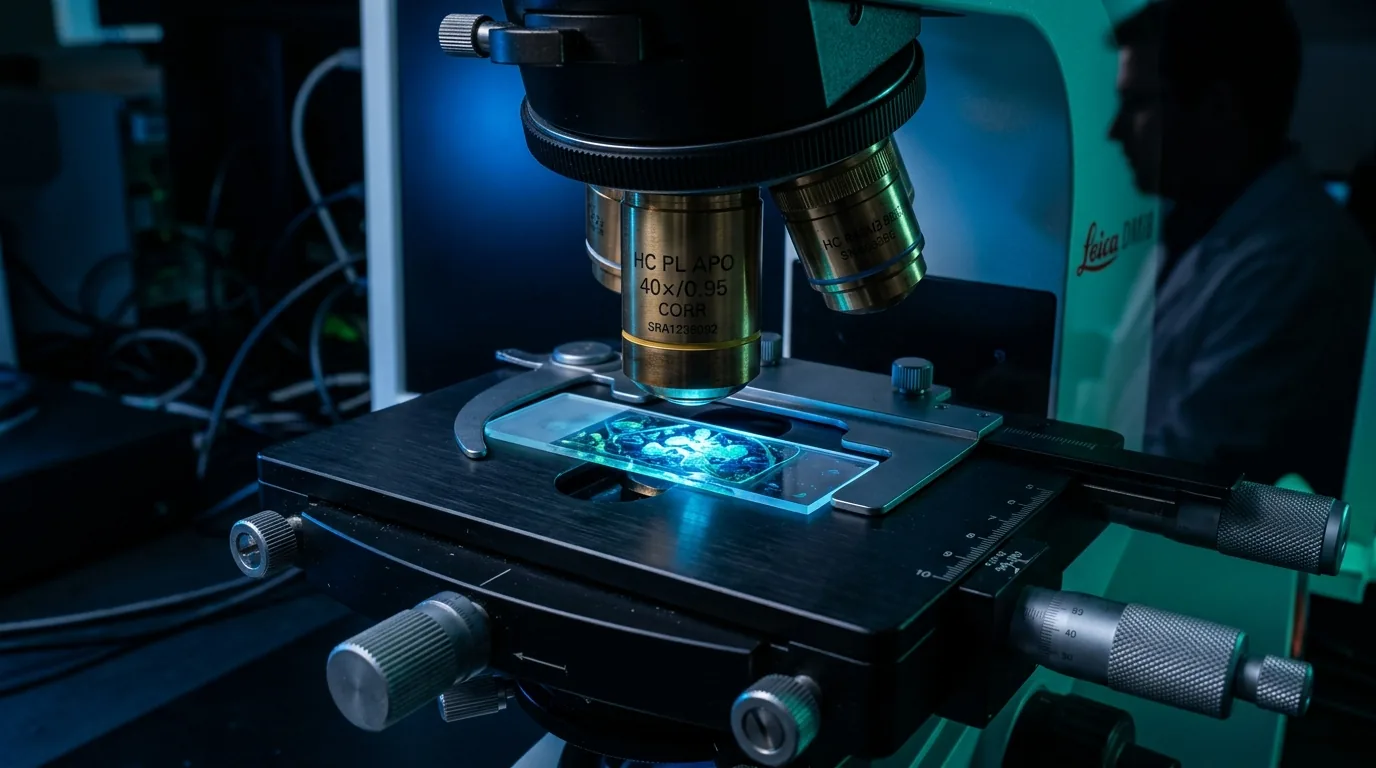
REQUIRE LABORATORY BIOAEROSOL PROFILING?
Deploy Envirogyn's forensic field specialists and state-accredited microbiology laboratory (TDLR LAB #1050) to quantify airborne fungal contamination in your property, hospital suite, or real estate acquisition. Operating across Harris, Galveston, and Brazoria counties.